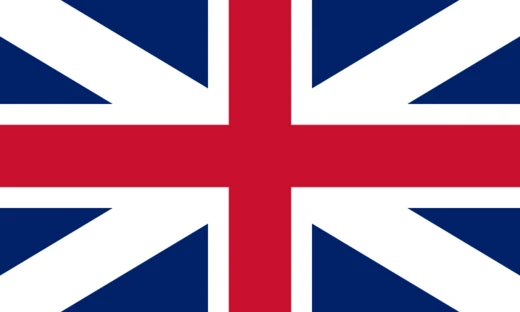
Albreda
Historic Gambian settlement, once a French slave-trading post.

Wikipedia / Wikimedia Commons
Albreda, a historic settlement on the north bank of the Gambia River, has been called both a trading post and a slave fort. It lies near Jufureh in the North Bank Division, and an arch on the beach links the two locations. Its estimated population in 2008 was 1,776.
Wolof oral tradition credits the founding of Albreda to a Wolof marabout named Musa Gaye, sometime between 1520 and 1681. Wolof traders knew the island as Draga, while the Mandinka called it Albadar. In 1681, the local mansa, or king, of Niumi granted the land to the French because his people relied on European trade. The French exclave was never more than a single factory, but its position disrupted the British monopoly on Gambia River trade. The British held Fort James on James Island, less than two miles away on the opposite bank, which served a similar purpose. Tensions and occasional skirmishes followed, with Fort James changing hands several times.
After a French attack, the British abandoned Fort James in 1779. The French temporarily left Albreda in 1804, but returned in 1816—the same year the British founded Bathurst on St. Mary’s Island at the river’s mouth. In 1857, control of Albreda finally passed from France to Britain. Today, the settlement houses a slave museum that opened in 1996.
A family in town claims descent from Kunta Kinte, and oral historian Kebba Kanji Fofana is said to have relayed the Roots story to author Alex Haley, though Kunta Kinte’s home was actually the neighboring village of Juffure.
- historical_control
- French exclave (1681–1857, with a temporary abandonment in 1804–1816); transferred to British Empire in 1857
Lore & Background
According to Wolof oral tradition, Musa Gaye, a Wolof marabout, founded Albreda sometime between 1520 and 1681. Wolof traders called the island Draga, while the Mandinkas called it Albadar. In 1681, the local mansa or king of Niumi gave the land to the French because his people depended on trade with Europeans. The French exclave was never very large (never more than one factory) but its location was inconvenient for the British, who otherwise had a monopoly on trade on the Gambia River. The British also possessed Fort James on James Island, which was less than two miles away on the opposite bank, and which fulfilled a similar function. There was constant tension and occasional skirmishes between the two powers, with Fort James changing hands between them several times.
The French abandoned Albreda temporarily in 1804, but returned in 1816—the same year the British founded Bathurst. Final control of Albreda passed from France to Britain in 1857.
Reader's Guide
Albreda's significance lies in its role as a French trading post and slave fort on the Gambia River, directly challenging British monopoly in the region. The constant tension and skirmishes between French and British forces, including the abandonment of Fort James in 1779 after a French attack and the French abandonment of Albreda in 1804, illustrate the colonial competition for control of the slave trade. The British returned to the area in 1816, establishing Bathurst, and the French soon returned to Albreda. The settlement was finally transferred from French to British control in 1857. Today, Albreda contains a slave museum opened in 1996, and an arch on the beach connects it to the neighboring village of Jufureh. A family in the town claims descent from Kunta Kinte, though the home of Kunta Kinte was the neighboring village of Juffure.
Did You Know?
- Albreda is located near Jufureh in the North Bank Division, and an arch stands on the beach connecting the two places.
- According to Wolof oral tradition, Musa Gaye, a Wolof marabout, founded Albreda sometime between 1520 and 1681.
- The French exclave at Albreda was never more than one factory, but its location was inconvenient for the British.
- Albreda was transferred from French control to the British Empire in 1857.
Frequently Asked Questions
What is Albreda?
Albreda is a historic settlement on the north bank of the Gambia River, long remembered as both a trading post and a slave fort. It sits near Jufureh in the North Bank Division of The Gambia, with a beach arch connecting the two sites.
Who founded Albreda and when?
Wolof oral tradition attributes its founding to a Wolof marabout named Musa Gaye, placing the event sometime between 1520 and 1681. Wolof traders referred to the island as Draga, while Mandinka speakers called it Albadar.
How did Albreda come under European control?
In 1681, the mansa (king) of Niumi ceded the land to the French because his people depended on European trade. Albreda then functioned as a French exclave and slave-trading post until it was transferred to the British Empire in 1857.
What is Albreda known for today?
The site houses a slave museum that opened in 1996, preserving the memory of the transatlantic slave trade. As of a 2008 estimate, the settlement's population stood at roughly 1,776 residents.
Why is Albreda significant in the broader British Empire narrative?
Its 1857 transfer from French to British hands made it a point of contact in the empire's West African footprint. More broadly, it stands as a tangible reminder of the slave trade that shaped the Atlantic world and the communities along the Gambia River.
More in British Empire 1-24
Spotted an error? Know more?
This is a living reference — every entry is fact-audited, and reader corrections feed straight into our audit queue. Suggest an edit · See this site's audit record