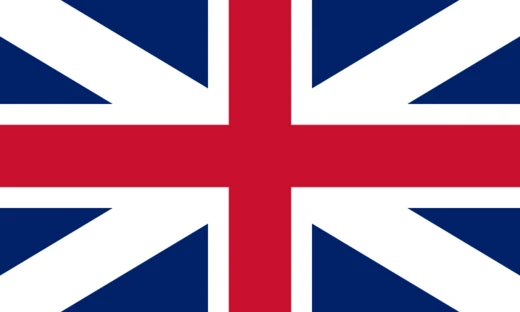
Amatongaland
Independent Tsonga kingdom, British protectorate from 1895.

Wikipedia / Wikimedia Commons
Amatongaland, also known as Tongaland, was an independent kingdom of the Tsonga people located in the far north of what would become the Natal colony. Bordered on the west by the Lebombo Mountains, the country is a continuation of the lowlands of northern Zululand, not rising above 300 ft. The district comprised 1280 mi² (2060 km²), and its inhabitants were the Amatonga sub-group of the Tsonga people. British suzerainty was asserted by a treaty made with Queen Regent Zambilli in 1887, and the territory was placed under British protection on 11 June 1895 to disrupt Boer plans to gain an outlet to the Indian Ocean.
- area
- 1280 mi² (2060 km²)
- population_1887
- estimated 38,000
- main_ethnic_group
- Amatonga (alternative name Maputa)
- ruler_1887
- Queen Regent Zambilli
- status
- independent kingdom, then British protectorate
- annexed_to_Zululand
- 27 December 1897
Lore & Background
Amatongaland was an independent kingdom of the Tsonga people, located in the far north of what would become the Natal colony. The country is a continuation of the lowlands of northern Zululand, not rising above 300 ft, and comprised 1280 mi² (2060 km²). Its inhabitants were the Amatonga sub-group of the Tsonga people, also known as Maputa. British suzerainty was asserted by a treaty made with Queen Regent Zambilli in 1887, and the population at the time was estimated at 38,000. In 1889, the British set up a commission which defined the boundary between Amatongaland and Zululand, the latter having been annexed as a British protectorate in 1887.
Reader's Guide
Amatongaland's significance lies in its strategic position and the geopolitical contest between the British and the Boers. The possession of Tongaland was strongly desired by the Boers since it would furnish them an outlet to the Indian Ocean. To disrupt that plan, Great Britain placed Tongaland under British protection on 11 June 1895. The portion of Amatongaland that came under the British protectorate lay between Portuguese territory in the north and the north-east frontier of Zululand in the south. British administration was set up by an Order in Council dated 29 June 1896, empowering a Special Commissioner of Amatongaland or Maputaland to appoint executive and judicial officers and to legislate by Proclamation, having regard in civil matters to native law. The Special Commissioner was also the Governor of Zululand, who was also Governor of the colony of Natal. Amatongaland was annexed to Zululand on 27 December 1897, and then promptly annexed to Natal along with Zululand the same year, ending its brief period as a distinct protectorate.
Did You Know?
- British suzerainty was asserted by a treaty made with Queen Regent Zambilli in 1887.
- The population in 1887 was estimated at 38,000, mainly Amatonga (also called Maputa).
- The Boers strongly desired possession of Tongaland for an outlet to the Indian Ocean.
- Amatongaland was annexed to Zululand on 27 December 1897.
Frequently Asked Questions
What was Amatongaland?
Amatongaland, also called Tongaland, was a small independent kingdom of the Amatonga (Maputa) people situated in the far north of what later became the Natal colony. It covered roughly 1,280 square miles of lowland terrain bordered by the Lebombo Mountains to the west.
Who ruled Amatongaland when Britain first intervened?
Queen Regent Zambilli was the sovereign at the time Britain asserted suzerainty over the territory through a treaty signed in 1887. She represented the kingdom's leadership during that pivotal diplomatic contact.
How did Amatongaland become a British protectorate?
After the 1887 suzerainty treaty with Queen Regent Zambilli, the territory was formally placed under British protection on 11 June 1895. The move was specifically designed to block Boer ambitions for a coastal outlet in the region.
What happened to Amatongaland after its protectorate period?
On 27 December 1897 the territory was annexed into Zululand, ending its brief existence as a separately administered protectorate. It never regained independent status.
Why was Amatongaland strategically important to Britain?
Its position in the northern lowlands offered a potential overland route toward the coast, which Boer republics coveted as a trade outlet. By securing the kingdom under protection, Britain denied rival powers access to that corridor.
More in British Empire 1-24
Spotted an error? Know more?
This is a living reference — every entry is fact-audited, and reader corrections feed straight into our audit queue. Suggest an edit · See this site's audit record