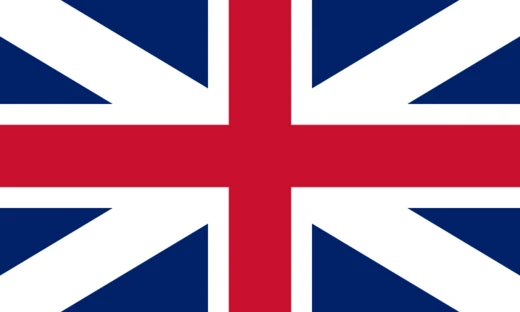
Battle of Chetambe
1895 battle ending Ababukusu resistance and confirming British ascendancy.
The Battle of Chetambe, fought on 20th April 1895, was the final clash of the Lumboka-Chetambe war. It pitted the British Empire and its allies against the Ababukusu and Abatachoni subtribes of the Abaluhya. The engagement took place at Chetambe hill, in what was then the Uganda Protectorate’s North Kavirondo region (modern-day Western Kenya). The Ababukusu had been trying to avoid being absorbed into the British Empire while also curbing the influence of their rivals, the Abawanga. The battle ended in a decisive victory for the coalition, securing British dominance over Bukusuland and the rest of Luhyaland for the next seventy years.
The fight followed a successful British ambush at Lumboka. Over 450 Bukusu warriors fled to the fort at Chetambe, built by Chetambe Ifilie on a hilltop. Provincial Commissioner Sir Charles Hobley described the fort as roughly 250 yards across, with nine-foot-high mud walls lined with loopholes, a six-foot-deep ditch, and low gates placed at intervals. Hobley and his men were on a punitive expedition to recover guns that had been stolen or bartered, and to display force. As they pursued the fleeing Bukusu, they captured those who hid or tried to escape. Many Bukusu also drowned while attempting to cross the swollen Kuywa River.
For two days before the assault, Hobley’s force struggled to cross the flooded Nzoia River. On 20th April, they attacked the fort. Realizing further resistance was hopeless, the Bukusu and Tachoni warriors released their cattle as a peace offering. The gesture went unnoticed amid the heavy gunfire, and the confused cattle ran back inside. Around noon, Hotchkiss and Maxim guns began pounding the fortress. A storming party of Baganda, supported by a half-company of Sudanese, shelled the nearest gate. Machine-gun fire undercut the mud walls on either side until they collapsed. The Baganda and Sudanese charged through the breach, but inside the crowded huts they lost their fire advantage. The Bukusu counterattacked successfully, driving them out and killing many, including two officers. Grant, Sitwell, and Charles then took charge. Instead of attacking through the center, they fought along the inside of the walls, opening new gates as they reached them. Each time a gate opened, a contingent poured out and shot down the survivors until all resistance ended. Charles himself was nearly killed by a charging war
- date
- 20th April 1895
- location
- Chetambe hill, North Kavirondo, Uganda Protectorate (now Western Kenya)
- belligerents
- British Empire with allies vs. Ababukusu and Abatachoni
- outcome
- Coalition victory; end of Ababukusu resistance
- commander
- Charles Hobley (British Provincial Commissioner)
- casualties
- 450 Bukusu, 37 Tachoni killed; 91 British coalition men killed
Lore & Background
In response to a successful ambush at Lumboka by British Imperial forces, more than 450 Bukusu warriors fled to the fort of Chetambe, built by Chetambe Ifilie on a hilltop. The fort was about 250 yards in diameter, with loop-holed mud walls nine feet high, a ditch six feet deep, and low gates at intervals. Provincial Commissioner Charles Hobley and his entourage pursued the fleeing warriors as part of a punitive expedition to retrieve stolen or bartered guns and as a show of force. Along the way, they captured many Bukusu who hid or attempted to flee, and many perished trying to cross the swollen Kuywa river.
Reader's Guide
The Battle of Chetambe effectively ended the Ababukusu resistance and the Lumboka-Chetambe war, confirming British ascendancy in the region and the annexation of Bukusu and Tachoni land into the British Empire. Nabongo Mumia of the Wanga Kingdom was confirmed as Paramount Chief of all of western region by the British after this battle. The site of the battle became a national monument for Kenya, symbolizing resistance to colonial rule. The battle demonstrated the military superiority of British-led coalition forces, using Hotchkiss and Maxim guns, and marked a turning point in the colonial subjugation of Luhyaland.
Did You Know?
- The fort was built by Chetambe Ifilie, hence its name.
- The peace gesture of releasing cattle was not noticed amidst heavy gunfire.
- Charles Hobley was almost killed by a charging warrior, saved by a lucky shot from Sitwell's revolver.
- The battle site became a national monument for Kenya, symbolizing resistance to colonial rule.
More in British Empire 1-24
Spotted an error? Know more?
This is a living reference — every entry is fact-audited, and reader corrections feed straight into our audit queue. Suggest an edit · See this site's audit record