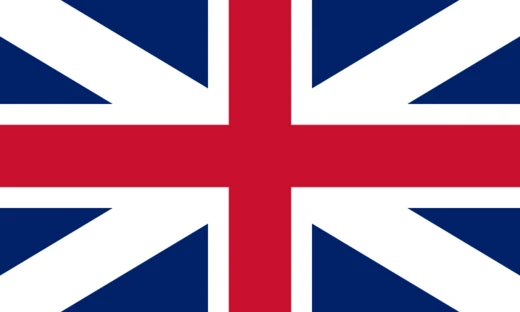
Ekumeku Movement
Western Igbo secret society resistance against British colonialism, 1883–1914.
The Ekumeku Movement was an armed resistance by the Anioma people—western Igbo communities in what is now Delta State, Nigeria—against the Royal Niger Company and later the British Empire, lasting from 1883 to 1914. Spanning more than three decades, it is considered one of the longest and most well-organized indigenous uprisings against British colonial rule in Nigeria. The name *Ekumeku* comes from an Igbo phrase meaning "don't speak about it," pointing to the movement's reliance on secrecy and sworn loyalty.
In the late 1800s, the Royal Niger Company, a British trading firm with a government charter, expanded its control over the lower Niger region. Following the 1884 Berlin Conference, which formalized European claims in Africa, the company pushed into Anioma territory to dominate the palm oil trade and impose authority over communities that had long governed themselves. These western Igbo groups—including the Ika, Aniocha, Oshimili, and Ukwuani clans—ran their affairs through age-grade societies, titled associations, and village councils. The introduction of British Native Courts and warrant chiefs sparked deep anger. Early clashes occurred in the 1870s and 1880s: colonial forces attacked Ndoni in 1870, bombarded Atani in 1880, and shelled Onicha-Ado in November 1897, which helped trigger organized resistance.
The Ekumeku operated as a secret society of young men from various western Igbo communities. Members, drawn from age-grade groups called *otu okorobia*, took oaths of secrecy during initiation, swearing never to reveal fellow members or plans to outsiders. The movement had no single leader; fighters from different villages acted independently but coordinated their strikes. This decentralized setup made it hard for the British to infiltrate or cripple by capturing key individuals. Ekumeku fighters used guerrilla tactics—launching hit-and-run raids on colonial posts, ambushing military patrols, and destroying infrastructure.
The conflict unfolded in two main phases. From 1883 to 1902, resistance began as the Royal Niger Company pushed deeper into the Anioma interior. Communities like Ibusa, Ogwashi-Uku, Onicha-Olona, Issele-Uku, and Owa were among the first to organize. Major Festing led early British campaigns against them. In 1898, the company mounted a major attack on Ibusa, escalating the fighting. Despite the British advantage in firearms, Ek
- born
- 1883
- died
- 1914
- field
- Armed resistance movement
- nationality
- Anioma (western Igbo), present-day Delta State, Nigeria
- known_for
- Sustained guerrilla resistance against British colonial rule, 1883–1914
Lore & Background
The Ekumeku Movement emerged in the late 19th century as the Royal Niger Company expanded commercial and political control over the lower Niger region. After the Berlin Conference of 1884, the RNC pressed into the Anioma hinterland, seeking to monopolise the palm oil trade and impose administrative authority. The western Igbo communities, including the Ika, Aniocha, Oshimili, and Ukwuani clans, had long-established decentralised governance structures based on age-grade associations, titled societies, and community councils. The imposition of British Native Courts and the appointment of warrant chiefs caused widespread resentment. First direct confrontations occurred in the 1870s and 1880s, with colonial forces invading Ndoni in 1870, bombarding Atani in 1880, and bombarding Onicha-Ado in November 1897, setting the stage for organised resistance.
Reader's Guide
The Ekumeku Movement is significant in Nigerian history as one of the longest-lasting organised armed resistances to British colonialism in southern Nigeria, spanning over thirty years. Despite ultimate defeat, the movement preserved a degree of community autonomy and cultural identity during the critical early decades of colonial rule. Scholars have noted that the Ekumeku movement fostered a broader sense of Anioma ethnic solidarity, bringing together communities that had previously identified primarily as local autonomous units. Don Ohadike, whose 1991 book remains the definitive academic study of the movement, described the Ekumeku as 'western Igbo resistance.' Philip Igbafe's 1971 Cambridge University Press journal article similarly classified the movement as a product of 'western Ibo society.' The movement was ultimately suppressed through a combination of military force, mass imprisonment, and the use of indigenous collaborators who identified Ekumeku members to colonial authorities.
Did You Know?
- The word Ekumeku is an Igbo term meaning 'don't speak about it,' reflecting the movement's foundation in secrecy and oath-bound solidarity.
- The movement lasted over thirty years, from 1883 to 1914, making it one of the longest-lasting armed resistances to British colonialism in southern Nigeria.
- Ekumeku fighters employed guerrilla tactics, including hit-and-run attacks on colonial outposts, ambushes of military patrols, and destruction of colonial infrastructure.
- The movement was decentralised, with no single supreme commander, making it difficult for the British to penetrate or defeat through capture of key figures.
More in British Empire 1-24
Spotted an error? Know more?
This is a living reference — every entry is fact-audited, and reader corrections feed straight into our audit queue. Suggest an edit · See this site's audit record